Heat Trace Cables - PTFE / FEP / PFA Insulated About
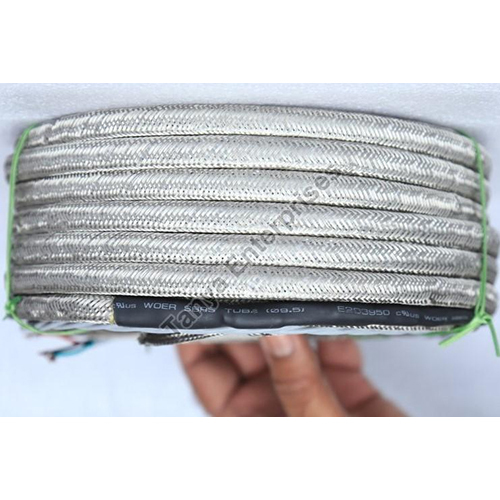
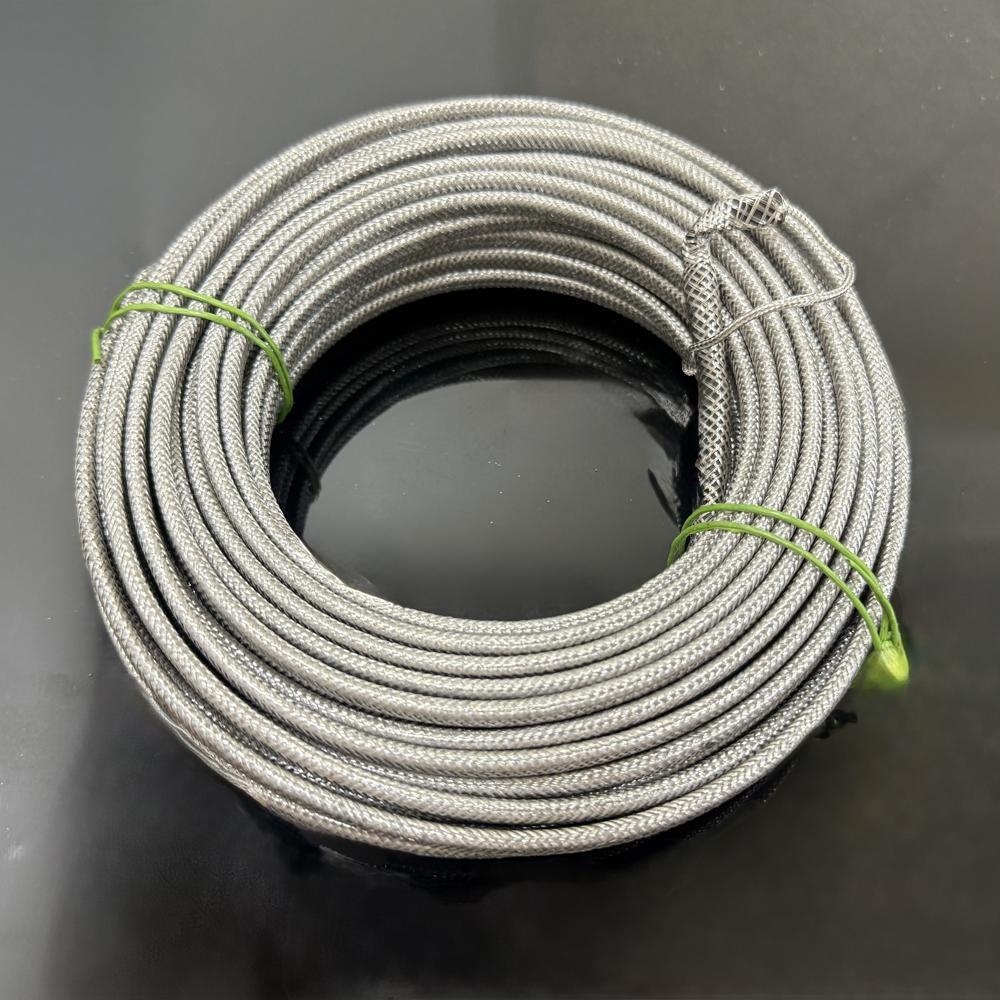
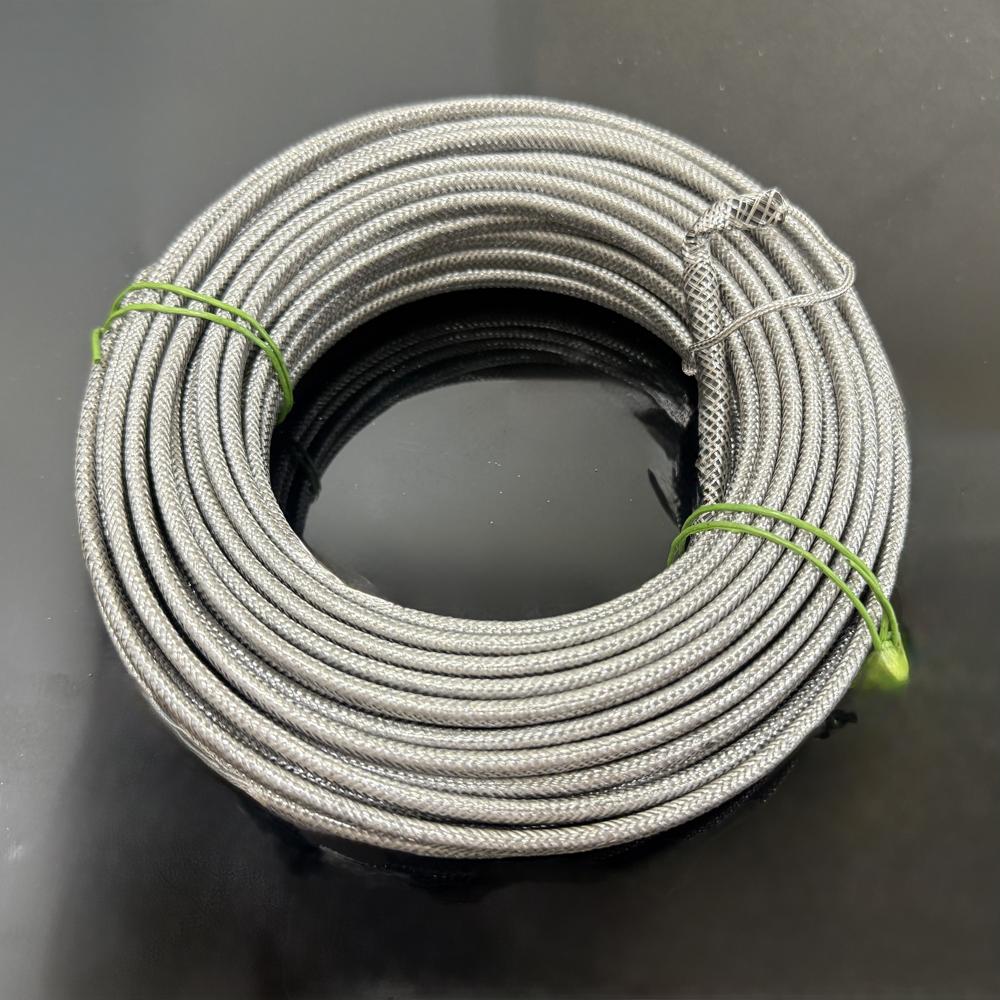
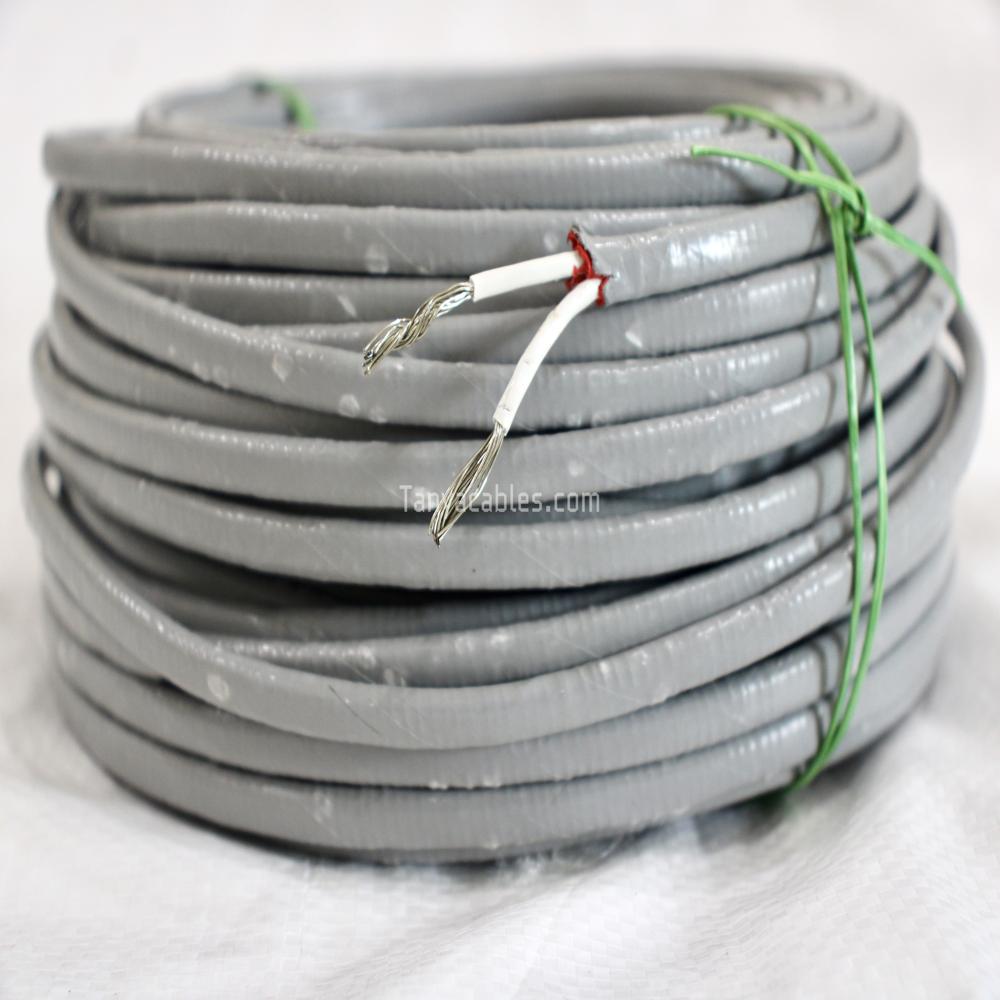
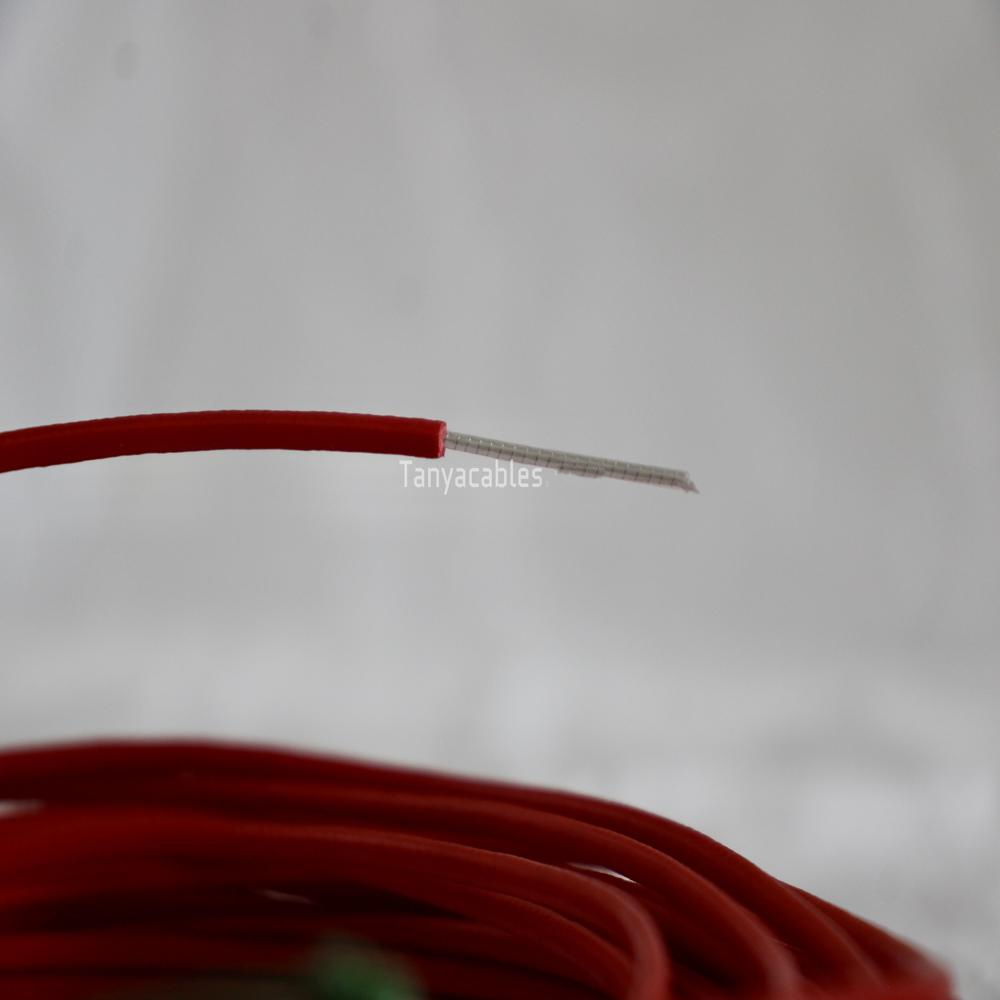
SS Braided & FEP Insulated Heat Tracing Cable (Cut-to-Length)
SS braided and FEP insulated heat tracing cables are designed forhigh-temperature and corrosive environments. TheFEP insulation provides excellent chemical resistance and thermal stability, while thestainless steel (SS) braid enhances mechanical protection and EMI shielding. These cables offerprecise, reliable heat tracingand can becut to lengthfor flexible installation.
Applications:
1. Industrial PipelinesPreventsfreezing and maintains process temperatures.
2. Chemical & Oil RefineriesResistant toharsh chemicals and extreme heat.
3. Food & Pharmaceutical PlantsEnsureshygienic and controlled heating.
4. Water & Waste TreatmentPreventspipe freezing in cold climates.
5. Aerospace & DefenceUsed inhigh-temp and critical systems.
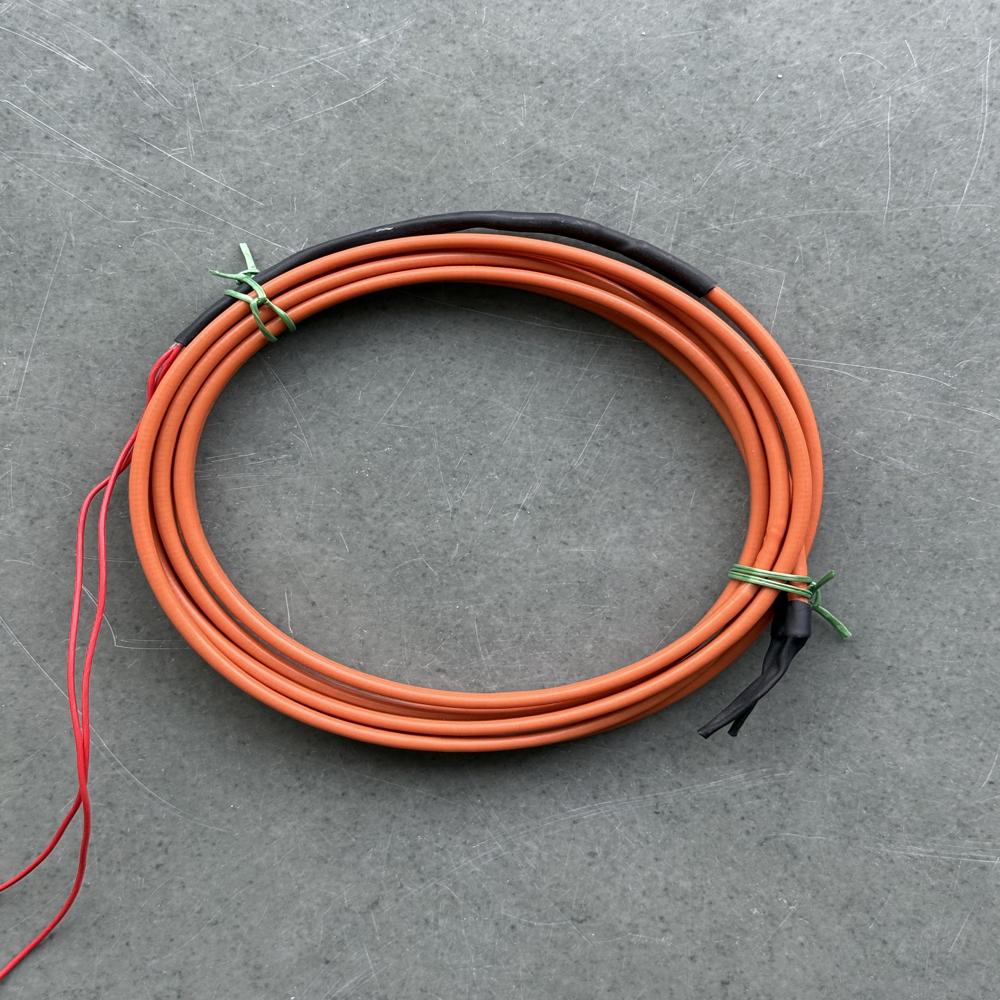
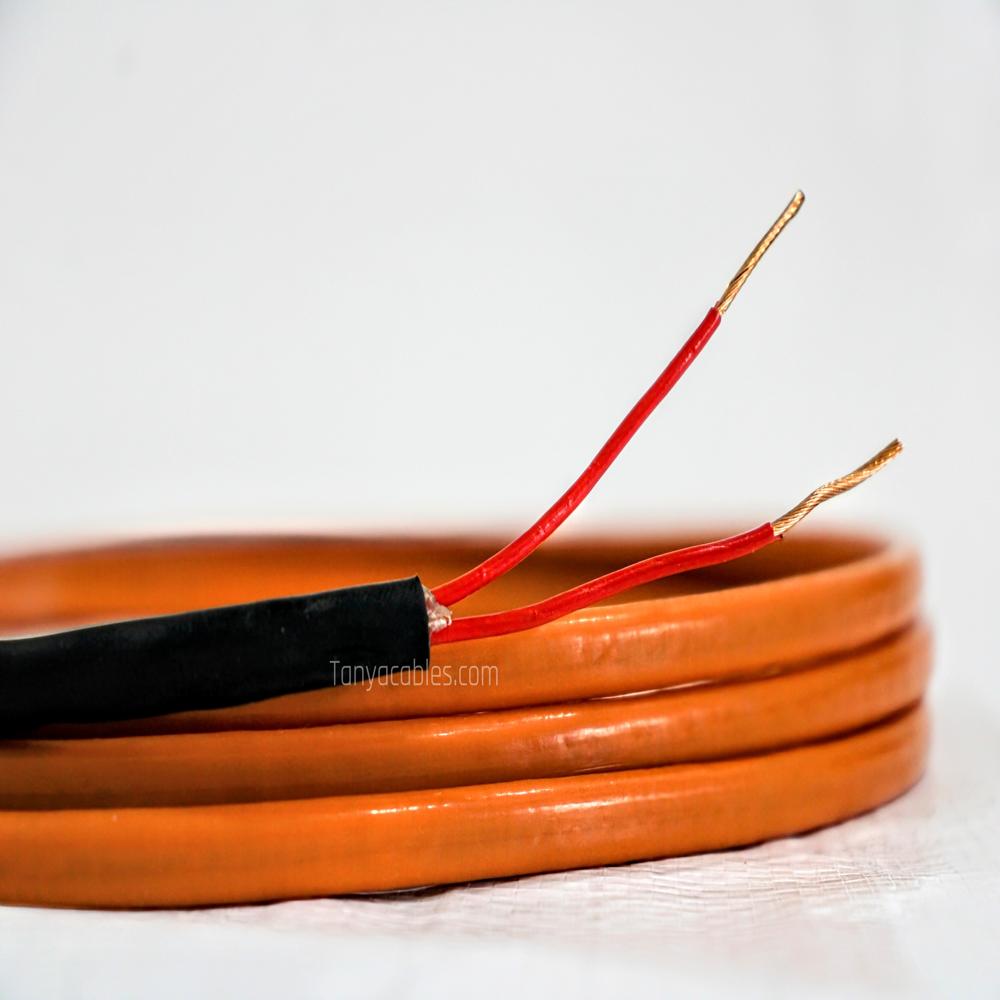
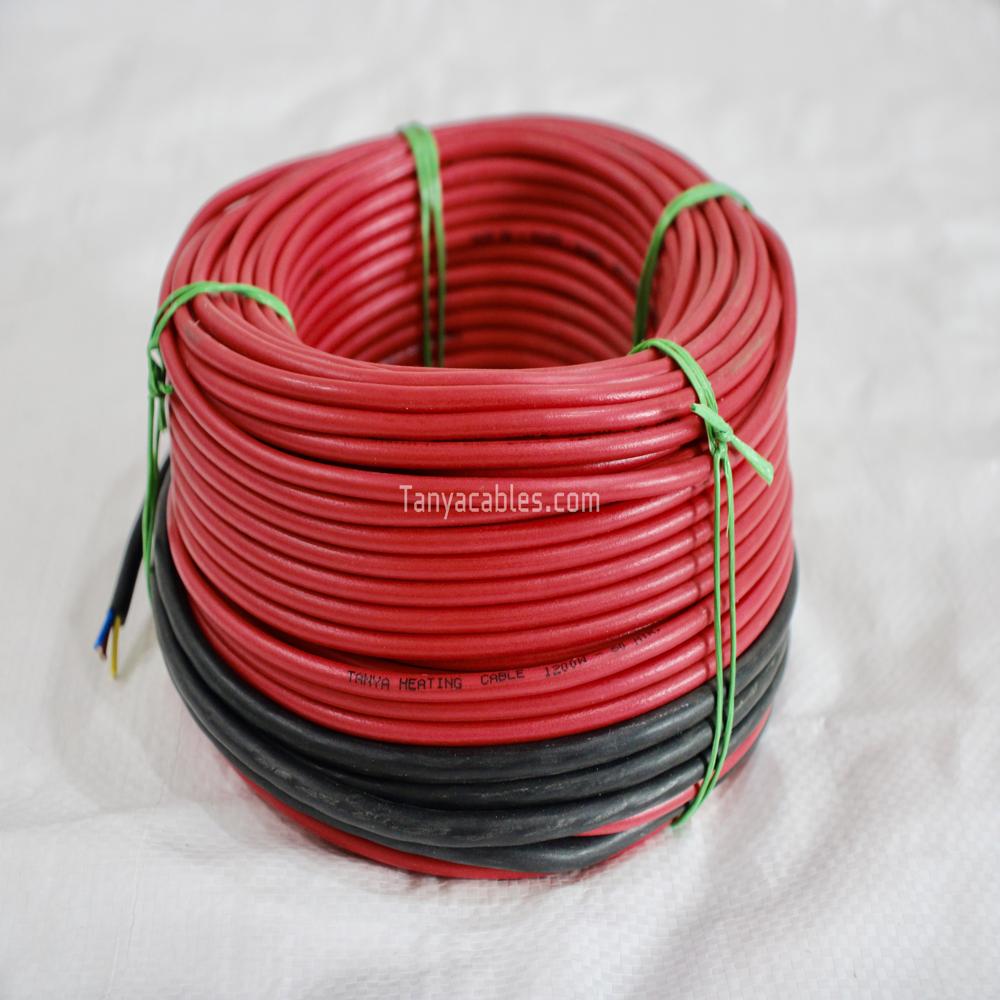
Reliable Materials for Extreme ApplicationsConstructed from premium PTFE, FEP, and PFA insulating materials, these heat trace cables provide dependable service in both sub-zero and high-heat environments. The advanced insulation and FEP jacket guarantee resistance to chemicals and environmental exposure, making these cables ideal for demanding industrial and aerospace applications.
Customizable Solutions for Diverse IndustriesOffered with various jacket and connector colors as per customer requirements, these cables can easily be integrated into new or existing systems. With a stranded copper conductor for flexibility, they are available in 100-meter lengths, suitable for wide-ranging installation scenarios across defense, aerospace, and other manufacturing sectors.
FAQ's of Heat Trace Cables - PTFE / FEP / PFA Insulated:
Q: How do PTFE, FEP, and PFA insulated heat trace cables enhance industrial safety and reliability?
A: These insulation materials deliver excellent thermal, electrical, and chemical resistance, ensuring reliable operation in challenging conditions. The FEP jacket and stranded copper conductor further enhance durability and flexibility, reducing the risk of failures in critical environments.
Q: What is the maximum temperature range these heat trace cables can withstand?
A: They are designed to operate efficiently within a wide temperature range from -80C to +260C, making them suitable for both cryogenic and high-temperature industrial processes.
Q: When should I consider using these cables in my application?
A: These cables are ideal when your project demands consistent temperature maintenance, chemical resistance, or reliable performance in extreme temperatures. They're commonly used in aerospace, defense, and various industrial heat tracing operations.
Q: Where are these heat trace cables most commonly applied?
A: They are primarily installed in industrial plants, aerospace systems, and defense setups, where precise heat maintenance and insulation integrity are essential under diverse and challenging conditions.
Q: What is the process for selecting the appropriate cable color and connector type?
A: Cable jacket and connector colors are customizable according to project specifications. Consult the manufacturer or supplier to specify color preferences and connector requirements during the ordering process.
Q: What is the benefit of choosing stranded copper conductors over solid ones?
A: Stranded copper conductors provide greater flexibility and are less prone to breakage during installation and use, which is especially beneficial in dynamic or vibrating environments.







 Get Latest Price

 Send Inquiry
 Send Inquiry